“Probable Cause” is the constitutional threshold police must meet before making an arrest, getting a search warrant, or—under certain circumstances—searching without one. The Fourth Amendment says no warrant shall be issued except upon probable cause, supported by oath or affirmation, and describing in detail the place to be searched and the items to be seized.
Courts describe probable cause as a practical, common-sense standard. It doesn’t demand certainty. Instead, the question is whether, given the totality of the circumstances, there is a fair probability that a crime has been committed (for an arrest) or that evidence of a crime will be found in a particular place (for a search). This flexible, non-technical approach comes from the U.S. Supreme Court’s decisions in Illinois v. Gates and earlier cases.A helpful way to think about it: probable cause is more than a hunch or a reasonable suspicion but less than proof beyond a reasonable doubt. Officers must be able to articulate specific facts—not just suspicions—that, taken together, would lead a reasonable person to believe criminal activity occurred or that evidence will be found. The Court has emphasized that we deal with “probabilities” rooted in everyday life, not rigid formulas.
Probable Cause vs. Reasonable Suspicion
People often confuse probable cause with reasonable suspicion, but there are two distinct legal standards in criminal law. Reasonable Suspicion is a lower standard. It allows an officer to briefly stop and detain a person to investigate possible criminal activity, even if there isn’t enough evidence to justify an arrest. This type of brief investigative detention is commonly referred to as a Terry stop, based on the U.S. Supreme Court case Terry v. Ohio (1968). During a Terry stop, if the officer reasonably believes the person may be armed and dangerous, the officer may also conduct a limited pat-down (frisk) of the outer clothing to check for weapons. Importantly, this does not give the officer authority to make a full search or an arrest—reasonable suspicion only justifies the temporary stop and limited frisk for safety.
Probable Cause, on the other hand, is a higher standard. It requires facts and circumstances that would lead a reasonable person to believe that a crime has been committed and that the person stopped is involved. Probable cause is what allows officers to make an arrest or conduct a full search.
In short, Reasonable Suspicion (Terry stop) allows a temporary stop and possibly a pat-down for weapons, while Probable Cause is needed to cross the line into an arrest or broader search.
How Probable Cause is Determined
Courts and law enforcement look at the “totality of the circumstances.” This means all the information available at the time is considered together, not in isolation. Judges, when asked to issue a warrant, must decide whether the evidence presented is strong enough to justify intrusion on someone’s rights.
Ways Probable Cause is Established
- Witness or Victim Statements - First-hand accounts of the crime or identification of a suspect provide strong grounds for probable cause.
- Physical Evidence -Items like weapons, drugs, paraphernalia, stolen property, fingerprints, burglary tools, ski masks or DNA that connect a suspect to the crime scene.
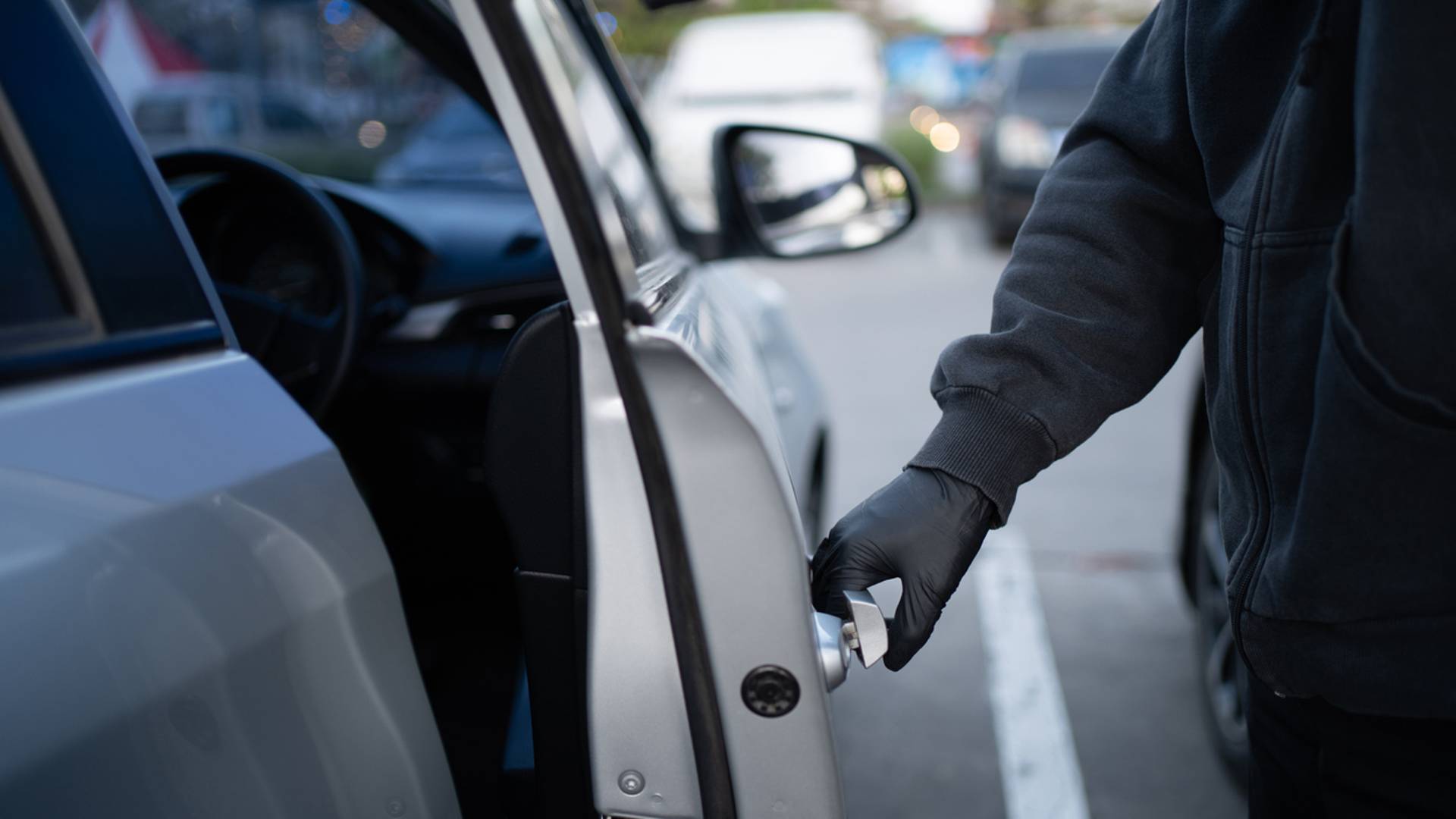
- Police Observations -Law enforcement officers may rely on what they personally see, hear, or smell (e.g., observing someone breaking into a car, smelling drugs or observing a gun in plain sight in the backseat of the car during traffic).
- Suspect’s Behavior -Nervous, evasive, or incriminating actions—such as fleeing from police or attempting to hide items—may contribute to probable cause.
- Tips From Reliable Sources - Information supplied by insiders or confidential sources who claim to know about the alleged criminal activity.
- Circumstantial Evidence - Indirect facts that reasonably suggest involvement in a crime, even without direct proof, can help establish probable cause.
What Probable Cause Looks Like
- Burglary Arrest: It’s 2 a.m. near a recently burglarized store. An officer sees a person sprinting from the alley carrying a crowbar and a bag of electronics with store tags, and a nearby window is shattered. Those combined facts create a fair probability a burglary occurred and this person committed it—probable cause for arrest.
- DUI Arrest: After a traffic stop for weaving, the driver has slurred speech, bloodshot eyes, an odor of alcohol, fails standardized field sobriety tests, and admits to drinking. Those observations, taken together, supply probable cause to arrest for DUI.
- Search Warrant for a Home: Over several weeks, officers corroborate a tip by observing short-stay traffic at a residence, conduct a controlled buy using a confidential informant, and collect surveillance showing apparent hand-to-hand sales. An affidavit laying out those facts can establish probable cause that drugs and related evidence will be found inside, justifying a warrant.
- Vehicle Search: During a lawful stop, an officer sees, in plain view, a scale dusted with white residue and multiple small baggies; the driver also has outstanding drug-sales paraphernalia visible on the seat. Given the totality, there’s a fair probability the car contains contraband, supporting a vehicle search on probable cause.
- What Is Not Enough: An anonymous, uncorroborated tip that “a guy in a red hoodie has a gun” with no additional observations by police is usually insufficient for probable cause. Officers need specific, corroborated facts—not just a bare allegation.
Lack of probable cause is a strong defense when facing criminal charges. Since the rules around probable cause can get complicated, it’s smart to have an experienced criminal defense lawyer who knows how to handle these situations. In Florida, understanding how probable cause works—especially during traffic stops—can make a big difference. Knowing the law helps protect people’s rights and also keeps police officers accountable to proper procedures. Reach out to our office to schedule a free in-person consultation.