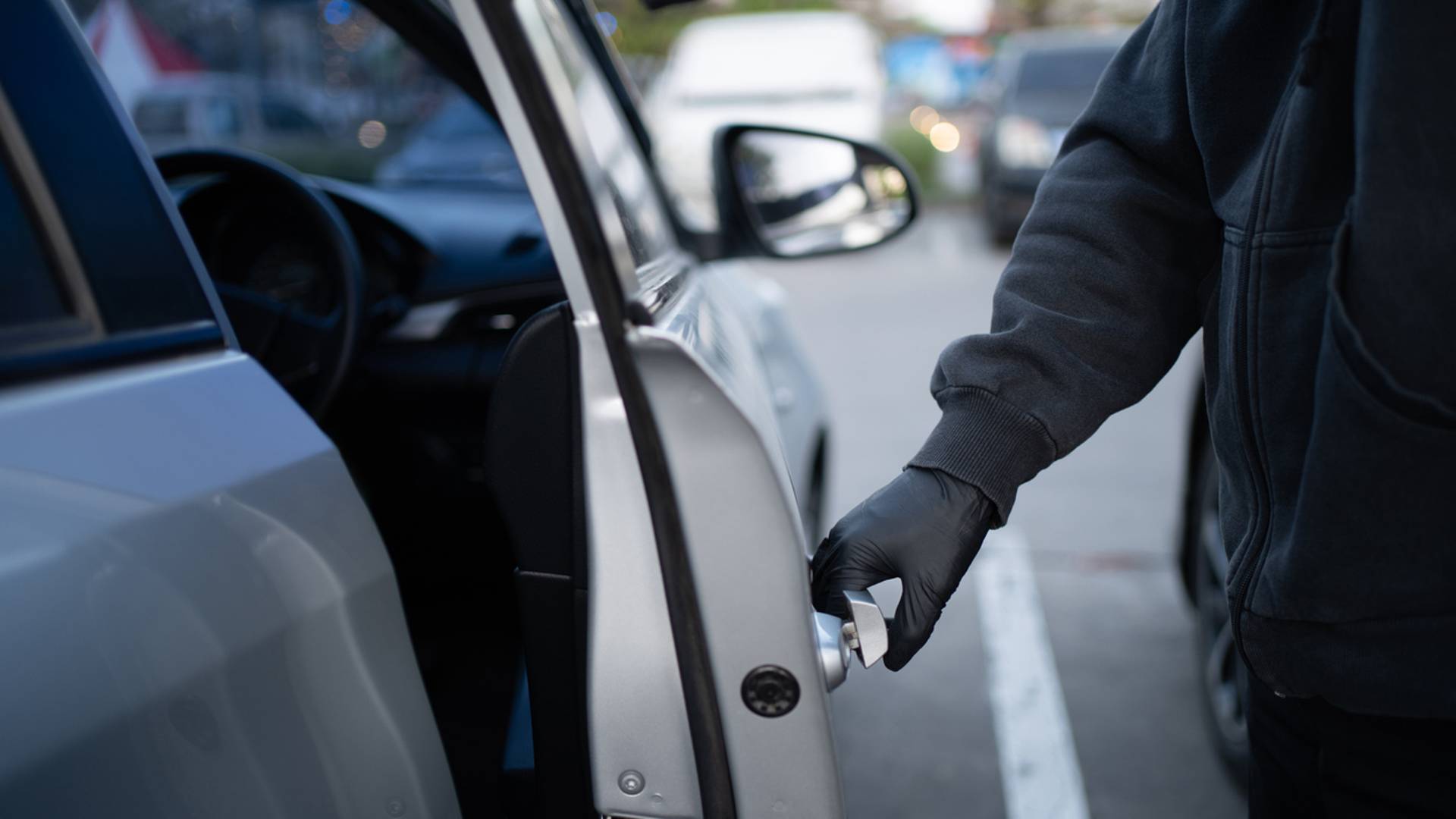

Short answer: Usually, yes—if the traffic stop itself is lawful. During a routine stop, officers may order the driver to step out of the vehicle for officer safety without any additional suspicion. That rule comes from the U.S. Supreme Court’s decision in Pennsylvania v. Mimms.
The same principle extends to passengers. In Maryland v. Wilson, the Court held that officers may also direct passengers to exit pending completion of the stop. Practically speaking, everyone in the car is “seized” for the duration of a lawful stop, which is why officers can control where occupants stand.
How Long Can They Keep You?
A traffic stop cannot be prolonged beyond the time reasonably needed to handle the matter that justified the stop (e.g., writing a ticket, running your license). Prolonging the stop for unrelated tasks—like a dog sniff—requires independent reasonable suspicion. That’s the rule from Rodriguez v. United States.
Can They Frisk You?
Ordering you out is one thing; patting you down is another. An officer needs reasonable suspicion that you’re armed and dangerous to conduct a frisk (search), whether you’re the driver or a passenger. See Arizona v. Johnson.
Do You Have To Show ID?
In California, there is no general “stop-and-identify” law for passengers. Drivers must present a license and registration upon lawful demand, but passengers typically don’t have to provide ID unless they’re lawfully detained for a particular offense. (Refusing could escalate the encounter—use judgment.)
What to Do If You’re Ordered Out of the Car
- Stay calm, signal compliance. Put the car in park, turn off the engine, roll the window down, and keep your hands visible. If told to step out, do so slowly and close the door behind you.
- Ask clear, respectful questions. You can say: “Officer, am I being detained, or am I free to go?” If detained, you may ask, “What is the reason for the stop?” Remember: they can control your movements during the stop.i
- Do not consent to searches. You can politely say, “I don’t consent to any searches.” Lack of consent preserves your rights without creating probable cause.
- Don’t argue roadside. If you believe the order was unlawful or the stop was extended improperly, note the details (time, location, badge numbers) and talk to a lawyer later. The roadside is not the place to litigate Rodriguez.
- If frisked, don’t resist. A pat-down requires reasonable suspicion you’re armed and dangerous. If it happens, stay still and let your attorney challenge it afterwards.
- Passengers: know your status. You can be ordered out like the driver, but unless you’re separately detained, you generally don’t have to answer questions or show ID. Ask, “Am I free to leave?” If yes, you may calmly walk away.
Key Takeaways For California Drivers
In California, officers may order drivers and passengers out of a lawfully stopped car. They cannot drag out the stop without a valid reason, and a frisk requires reasonable suspicion. Be polite, be clear about non-consent to searches, and preserve issues for your lawyer.
Remember: an exit order is not consent to search. Stepping out because an officer told you to doesn’t open the door to rummaging through your pockets or your car. A vehicle search typically requires your consent, probable cause, a warrant, or a narrow exception (e.g., a search incident to arrest with limits). If you’re asked, clearly say, “I don’t consent to any searches,” and then stop talking—don’t argue reasons or offer explanations that could be twisted into “probable cause.”
If you were ordered out of your vehicle and charged with a crime after a traffic stop in Los Angeles County, the experienced attorneys at Stephen G. Rodriguez ready to help. With decades of experience and a deep command of California law, we protect your rights from the very first police contact. Call today to schedule a free in-person consultation. Call us at 213-481-6811 for an in-person no-cost consultation.