
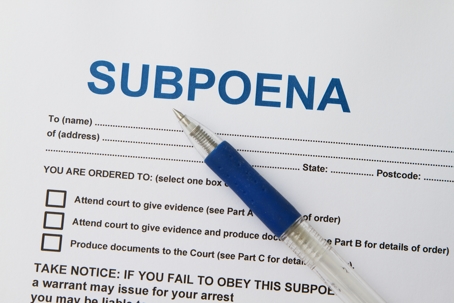
In Los Angeles criminal courts, subpoenas are essential tools used by both prosecutors and defense attorneys to compel witnesses to testify or produce evidence. Failure to comply with a subpoena is a serious matter that can lead to significant legal consequences.
What is a Subpoena?
A subpoena is a court order requiring an individual to appear in court and testify or produce specific documents. There are two primary types of subpoenas:
- Subpoena Ad Testificandum (Witness Subpoena): This type compels a person to testify before the court.
- Subpoena Duces Tecum (SDT): This type requires a person to produce specific documents or records.
Both types are enforceable by law, and noncompliance can lead to penalties.
Consequences of Failing to Comply with a Subpoena
Ignoring or failing to comply with a subpoena in Los Angeles can result in several legal repercussions:
- Contempt of Court: Under California Penal Code Section 1331, disobedience to a subpoena may be punished as contempt of court. This can lead to fines, time behind bars, or both.
- Bench Warrant: If a person fails to appear in court as required by a subpoena, the court may issue a bench warrant for their arrest.
- Civil Liability: A witness who disobeys a subpoena issued on behalf of the defendant may be liable to the defendant for a sum of money, which can be recovered in a civil action.
Can You Refuse To Testify?
There are certain circumstances under which a person may legally refuse to comply with a subpoena:
- Privilege: If the subpoenaed information is protected by attorney-client privilege, doctor-patient confidentiality, or other recognized privileges, the witness may object to providing such information.
- Self-Incrimination: Under the Fifth Amendment, a person cannot be compelled to testify against themselves. A person may be able to refuse to comply with a subpoena if providing a truthful response to the questions under oath would incriminate them or suggest they were complicit in committing a crime.
- Improper Service: If the subpoena was not properly served, it may not be legally enforceable.
Steps to Take If You Receive a Subpoena
- Review the Subpoena Carefully: Understand what is being requested and the deadline for compliance.
- Consult an Attorney: Seek legal advice to understand your rights and obligations.
- Respond Appropriately: If you have valid grounds to object, your attorney can file a motion to quash or modify the subpoena.
- Do Not Ignore the Subpoena: Failure to respond can lead to legal penalties, including contempt of court.
Our Attorneys Can Help
Subpoenas are powerful legal instruments that must be taken seriously. If you receive a subpoena in a Los Angeles criminal case and you have questions or concerns about the subpoena, it is advisable to speak with a lawyer who can explain your rights and obligations under the law. Consulting with one of our experienced criminal defense attorneys can help protect your rights and ensure compliance with the law.